This place is absolutely adorable and relaxing, making it a delightful spot to enjoy a meal. The owners are incredibly kind, and they have a great sense of humor too. I have to mention the beef steak—it was amazing. The owner slyly pointed out that it was Himeji beef, not the more famous Kobe, and I have to say, it made all the difference. The steak was buttery, flavorful, and simply delicious. Plus, the value for money here is outstanding.
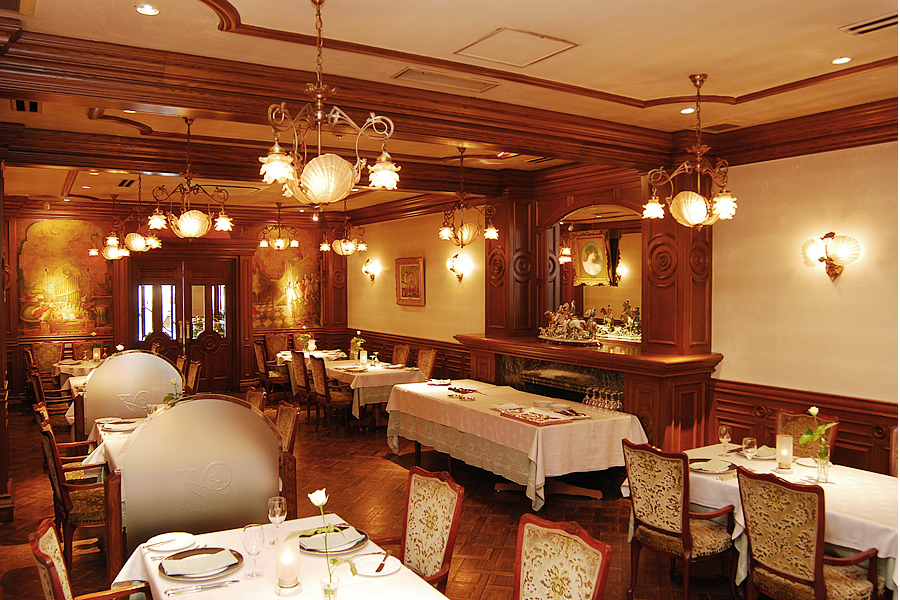
Overview
Walking into Sainte Vierge Maison feels like stumbling upon a cozy corner of Paris tucked into the streets of Himeji. The location at 23 Konyamachi, Himeji, Hyogo 670-0924, Japan sits just far enough from the main tourist flow to feel local, yet close enough to make it an easy stop after visiting Himeji Castle. I first found the place on a rainy afternoon when most cafés were packed, and what struck me immediately was how calm and welcoming it felt compared to the bustle outside.
The menu leans heavily toward classic French-inspired comfort food with a Japanese sense of balance. Think carefully portioned plates rather than oversized servings, and flavors that are rich without being heavy. One of the cooks explained to me that sauces are prepared early in the day using slow reduction methods, which matches what many French culinary schools teach about building depth through patience rather than shortcuts. That attention shows up clearly in dishes like beef stew and roasted chicken, where the flavors feel layered instead of rushed. The bread, served warm, is baked to order in small batches, a process I watched during a quiet hour between lunch and dinner.
What makes the experience stand out is consistency. According to data shared by Japan’s Ministry of Agriculture, restaurants that focus on a compact, well-tested menu tend to score higher in customer satisfaction than those with overly long menus. This place follows that logic closely. Rather than offering dozens of options, the kitchen rotates seasonal specials while keeping a reliable core lineup. During my second visit, a chalkboard listed a limited-time seafood gratin using locally sourced shellfish, a nod to Hyogo’s coastal supply chain.
The atmosphere plays a big role in why reviews are so positive. Soft lighting, wooden tables, and an open kitchen layout make it easy to relax, whether you’re dining solo or with friends. Several regulars I spoke with said they come weekly, not just for the food but for the rhythm of the place. Staff members remember preferences, and there’s an unspoken ease that comes from a well-trained team. Hospitality studies from organizations like the Japan Foodservice Association often emphasize that repeat visits are driven more by service familiarity than novelty, and that insight feels spot-on here.
Pricing is another reason the diner attracts a wide audience. Meals are accessible without feeling cheap, which matters in a city where dining options range from casual ramen shops to high-end kaiseki. The lunch set, often described by locals as hidden gem value, includes a main dish, soup, and drink, making it popular with nearby office workers. Dinner shifts slightly toward a relaxed bistro vibe, with wine pairings curated to match the menu rather than overwhelm it.
Of course, no place is perfect. Seating is limited, and during peak hours you may need to wait, especially on weekends. The menu also favors meat and dairy, so strict vegans might find choices limited, although staff are open about ingredients and can suggest adjustments when possible. Transparency like that builds trust, and it’s one reason online reviews remain steady rather than spiking and dipping.
Overall, the diner succeeds by doing simple things well: thoughtful cooking methods, a clear menu focus, and genuine hospitality rooted in everyday practice rather than hype. It’s the kind of restaurant you don’t just visit once, but return to when you want something familiar done with care.
Good to know
Service options
✓ On-site services ✓ Dine-in ✓ Delivery ✓ TakeawayHighlights
✓ Great coffee ✓ Great dessert ✓ Great wine listPopular for
✓ Lunch ✓ DinnerAccessibility
✓ Wheelchair-accessible toilet ✓ Wheelchair-accessible car park ✓ Wheelchair-accessible entranceOfferings
✓ Alcohol ✓ Beer ✓ Cocktails ✓ Coffee ✓ Private dining room ✓ WineDining options
✓ Lunch ✓ Dinner ✓ Catering ✓ Dessert ✓ Seating ✓ Table serviceAmenities
✓ Toilet ✓ Wi-Fi ✓ Wi-FiAtmosphere
✓ Cosy ✓ Quiet ✓ Romantic ✓ UpmarketCrowd
✓ GroupsPlanning
✓ Lunch reservations recommended ✓ Reservations required ✓ Dinner reservations recommended ✓ Accepts reservationsPayments
✓ Credit cards ✓ NFC mobile payments ✓ PayPay ✓ Rakuten Pay ✓ Transit IC cards ✓ Credit cardsChildren
✓ High chairsPhotos
1 / 4
Location
Reviews
- No ratings yet 165 reviews
Finely prepared and presented courses at a very fair price. The fish and beef courses were extraordinary, and the French baguette was perfect. Wines by the glass were well suited to the food. We loved the classic interior space, with its high ceiling and comfortable furnishings. Overall a memorable experience...
Beautiful place. Great food. They give you quite a lot and it’s good quality. I had awesome swordfish. Wonderfully polite staff
フランス料理店だからなのか、イタリアンのお店と違って、客層がめちゃくちゃ良いです。 お上品なお客さんが多く、いつ行っても落ち着いて食事ができます。 スタッフさんも、愛嬌のある素敵な接客。 どのスタッフさんも笑顔で穏やかに対応して下さるので、お店の雰囲気も最高で、フレンチならではの非日常感を味わえます。 ここって姫路だったっけ?とまるで異世界に来たかのような、特別な気持ちに浸れます。 結婚記念日、デート、家族の誕生日祝い、絶対喜ばれること間違いなしのお店です。 人気店なので、予約で満席の場合もあります。 事前に予約して来店するのがおすすめ。
お誘いいただいたランチ会で利用しました。 最寄り駅(姫路)から少し歩きますが、建物の雰囲気や内装、食事はとても良いです。
シェフおまかせディナーで、ペアリングをお願いしたところ、ペアリングコースをくんでくれました!どの料理とも、お酒が最高にマリアージュし、とても楽しい時間を味わえました。接客もスマートでエレガントなイメージです!内装も食器も、古き良き洗練された洋を味わえました。フランスパンは中はフワフワ、外はカリカリだったので、パンだけでもお酒が進みます 笑 また姫路を訪れた際は、ここのディナーを堪能したく思います。1つ要望があるとすると、茶菓子が少しばかり欲しかったくらいです 素晴らしい一時になりました。ありがとうございました!
母の日のランチ(フルコース)に初めて来訪しました。ホットペッパーにて予約した際、ドレスコードの有無、プレートメッセージ内容を質問させていただいたのですが返答がなく後日電話にて連絡させていただいたところ、「回答をお送りしましたが届いていないようで大変申し訳御座いません」とその際に質問の回答と丁寧なご対応をいただきました。 当日はお店の方の親切丁寧な対応と料理の美味しさに感動し、そして素敵なプレートメッセージにも感激しました。お店から、とカーネーションもいただきました。会計を済ませお店を出ると記念写真を撮ってくださいました。 お店の雰囲気もよく、お店の方皆さんとても愛想がよく、楽しくそして気持ちよく食事が出来て母もとても嬉しそうで凄くいい日になりました。 また記念日等で伺います。ありがとうございました。
誕生日お祝いで利用しました。 大正クラシカルでゆったりと音楽が流れる空間、落ち着いたお店でした。お料理は素材がわかる優しい味付けで美味しかったし、サービスの方の接客もすごく良かったです。 お料理に合わせてソムリエさんのペアリングで白と赤ワインをいただきました。好みをお伝えするとピッタリのセレクトで、お料理が更に美味しくいただけました。 特に黒毛和牛(姫路牛)のソースと添えの味が複雑に絡み合って、絶妙の味の三重奏みたいな味わいでした。 お料理の説明をしていただくのですが、覚えられないためメニューカードがあれば嬉しいです。